

Key Takeaways
Caregiver Burnout
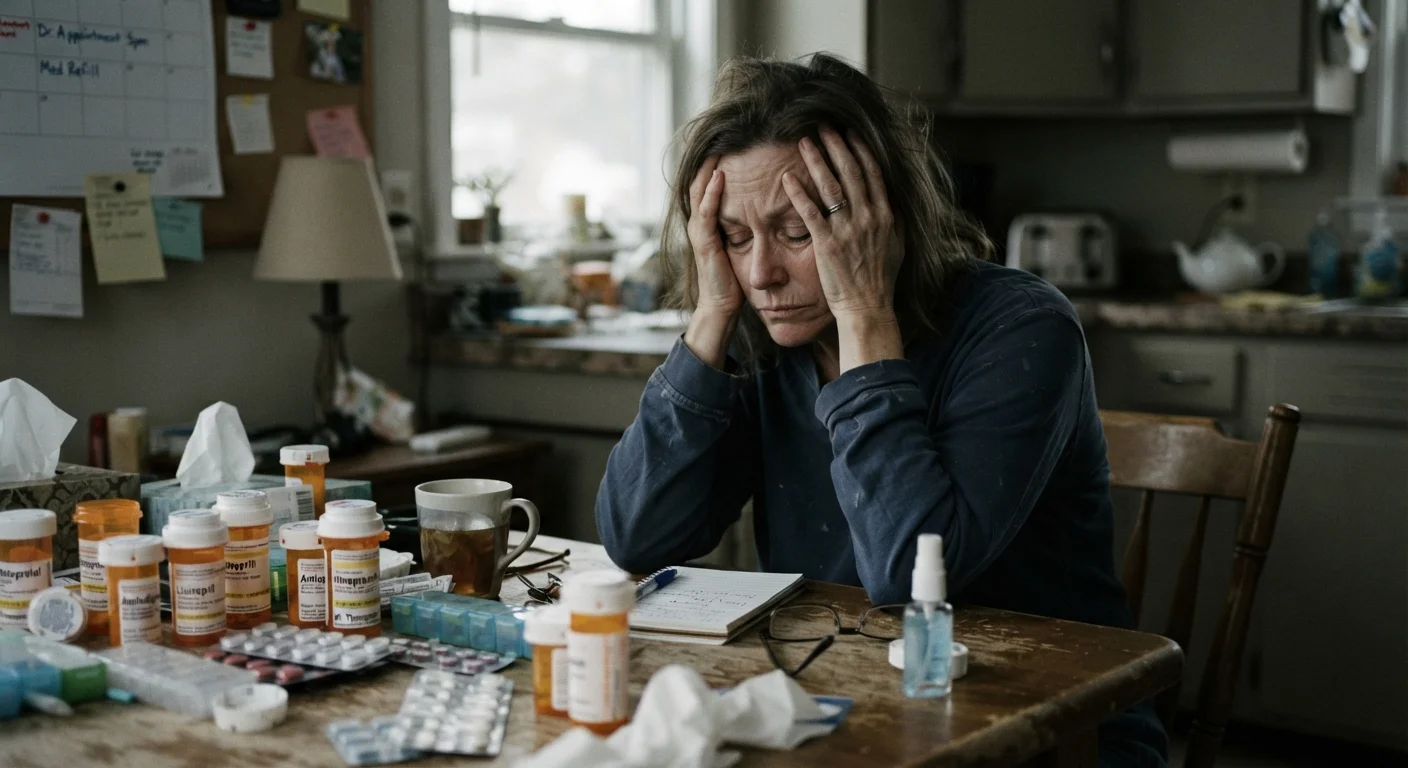
Caregiver burnout is a state of physical, emotional, and mental exhaustion that develops when someone providing ongoing care to another person neglects their own needs over time. It goes beyond ordinary tiredness - it can affect a person's ability to function, feel empathy, and maintain their own health. It is a recognized condition, not a character flaw or sign of insufficient love.
Clinically, caregiver burnout overlaps with features of chronic stress syndrome and secondary traumatic stress, and may present alongside or contribute to depressive and anxiety disorders.
Why Caregivers Are Vulnerable
Caregiving - whether for an aging parent, a child with a chronic illness, or a spouse recovering from injury - is demanding work. It often happens without a defined schedule, rarely comes with recognition, and carries a profound emotional weight rooted in love and obligation.
That combination makes caregivers uniquely vulnerable. Unlike most stressful situations that eventually resolve, caregiving can be indefinite. When stress is continuous and relief is infrequent, the body and mind struggle to recover between demands. Over time, this erodes resilience.
This dynamic is compounded by what researchers sometimes call the "caregiver trap" - the tendency to prioritize the care recipient's needs so completely that the caregiver stops attending to their own. Skipped medical appointments, poor sleep, abandoned social connections, and suppressed emotions all accumulate. What begins as dedication quietly becomes depletion.
This is closely related to what many parents recognize as the mental load of caregiving - the invisible, ongoing cognitive and emotional labor that rarely gets acknowledged or shared.
Recognizing the Warning Signs
Burnout doesn't arrive suddenly. It builds gradually, which is part of why it's so often missed - both by caregivers themselves and by the people around them.
53 million+
Unpaid family caregivers in the United States
Estimated by AARP and the National Alliance for Caregiving in their national caregiving surveys.
~23%
Caregivers reporting their own health as fair or poor
According to AARP research, caregivers are significantly more likely to rate their own health poorly compared to non-caregivers.
20+ hours/week
Average time spent caregiving by intensive family caregivers
AARP's caregiving research indicates a substantial portion of family caregivers provide care equivalent to a part-time or full-time job.
Common warning signs include:
- Persistent physical exhaustion that isn't relieved by rest or sleep
- Emotional withdrawal - feeling detached from or resentful of the person being cared for
- Neglecting personal health - skipping your own medications, appointments, or basic self-care
- Increased irritability or hopelessness about the caregiving situation
- Loss of satisfaction in activities that once brought enjoyment
- Frequent illness, as chronic stress suppresses immune function
It's worth noting that some of these symptoms - particularly emotional numbness and fatigue - mirror those seen in other conditions. The exhaustion caregivers experience shares characteristics with the cognitive and physical impairment described in research on severe fatigue, illustrating how deeply unrelieved tiredness affects judgment and function.
Contributing Factors That Increase Risk
Not all caregivers develop burnout at the same rate. Certain conditions make burnout more likely:
- Lack of support
- Caregivers who handle responsibilities alone - without help from other family members, community resources, or professional services - carry a disproportionate burden.
- Role ambiguity
- When caregivers are also spouses, parents, or adult children, the emotional boundaries between roles can blur, making it harder to set any limits.
- High care demands
- Caring for someone with dementia, severe disability, or a terminal illness involves particular intensity and grief.
- Financial strain
- Many family caregivers reduce work hours or leave employment entirely, creating compounding financial and social stress.
- Personality factors
- People who define their sense of worth through helping others, or who find it difficult to ask for help, are at elevated risk.
Special Populations Face Compounded Risk
Caregivers who are elderly themselves, who have their own chronic health conditions, or who are also raising dependent children face compounded stress and health risks. If you or a caregiver you know falls into one of these groups, consulting a healthcare provider or social worker is especially important - generalized self-help strategies may be insufficient for more complex situations.
What Recovery Generally Looks Like
Recovering from caregiver burnout is possible, but it typically requires real changes - not just self-care tips applied to an unchanged situation. General approaches that tend to support recovery include:
- Respite care: Arranging temporary relief from caregiving duties - through family members, community programs, or professional services - to allow genuine rest.
- Professional support: Speaking with a therapist or counselor experienced in caregiver stress. For guidance on weighing different options, see our overview of therapy versus self-guided strategies.
- Peer connection: Support groups - in person or online - connect caregivers with others who understand the experience in ways that family and friends often cannot.
- Realistic limit-setting: Learning to accept help and identify which tasks can be delegated or dropped is a skill, not a failure of commitment.
- Medical evaluation: A primary care provider can assess whether burnout has progressed to depression, anxiety, or physical health complications that need direct treatment.
This article is for general informational and educational purposes only. It is not a substitute for professional medical or mental health advice. If you are experiencing symptoms of burnout, depression, or another health condition, please consult a qualified healthcare provider.