

Key Takeaways
Annual Wellness Exam
An annual wellness exam is a routine checkup with a licensed veterinarian designed to assess your pet's overall health, catch developing problems early, and keep preventive care up to date. It typically covers a head-to-toe physical inspection, a review of vaccinations, and a discussion of your pet's diet, behavior, and lifestyle. The goal is prevention - finding small issues before they become costly emergencies.
Veterinarians may recommend twice-yearly exams for senior pets (generally dogs and cats over age 7), since animals age faster than humans and health changes can occur more rapidly in older years.
What Actually Happens at a Wellness Exam
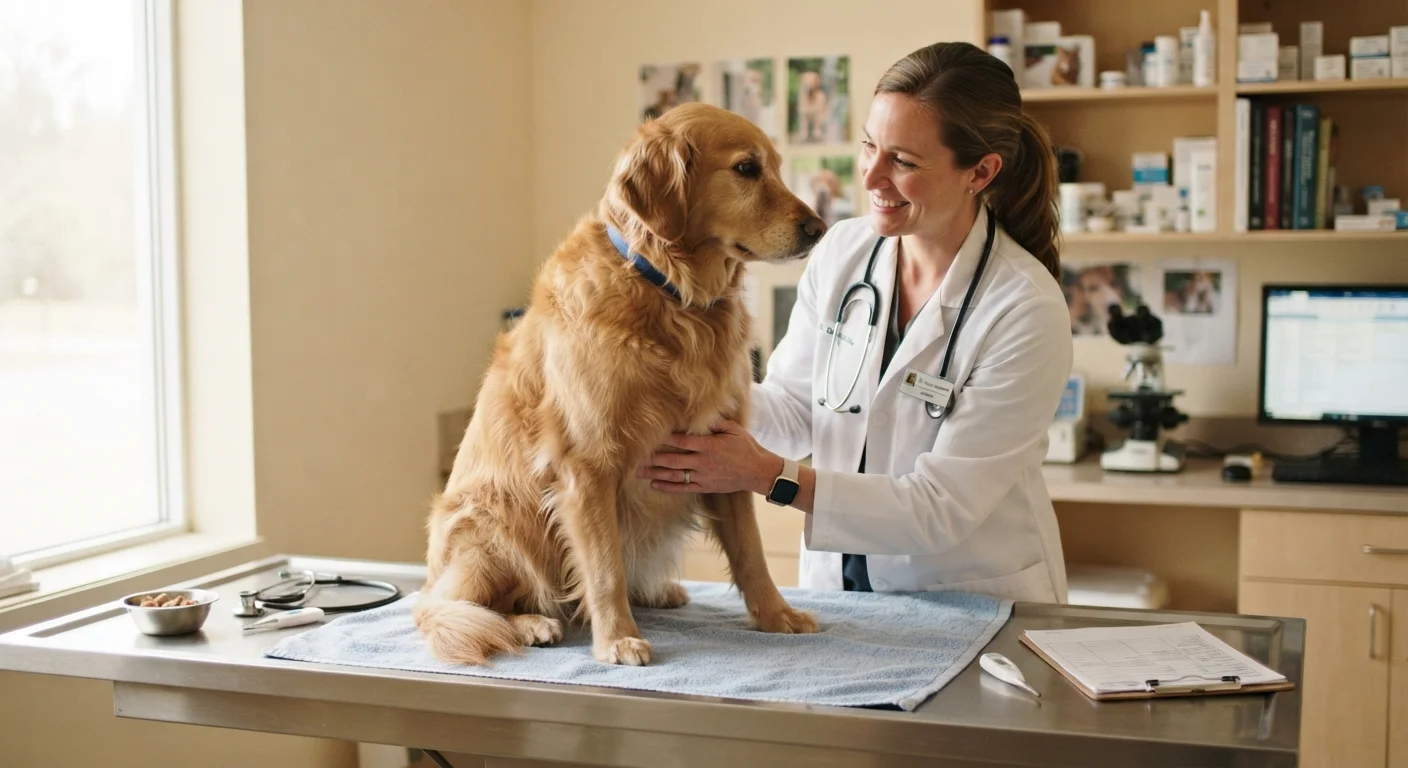
Many pet owners expect an annual vet visit to be quick and uneventful - a few vaccines and out the door. In reality, a thorough wellness exam is a structured, head-to-toe evaluation that gives your veterinarian a detailed snapshot of your pet's health on that day.
The exam typically begins before the vet even enters the room. A veterinary technician will weigh your pet, take a temperature reading, and ask about changes in eating, drinking, bathroom habits, or behavior since the last visit. These details matter - a subtle shift in thirst or appetite can be among the earliest clues to kidney disease, diabetes, or other conditions.
The veterinarian then conducts a hands-on physical assessment, working systematically from nose to tail:
- Eyes and ears: Checked for discharge, inflammation, or signs of infection
- Mouth and teeth: Evaluated for tartar buildup, gum disease, broken teeth, or oral masses
- Heart and lungs: Listened to via stethoscope for murmurs, irregular rhythms, or abnormal breath sounds
- Abdomen: Palpated for organ size, pain, or unusual masses
- Skin and coat: Examined for parasites, lumps, rashes, or hair loss patterns
- Joints and muscles: Observed for stiffness, swelling, or loss of muscle mass
- Lymph nodes: Felt for enlargement that may suggest infection or immune system activity
This structured approach is similar in purpose to annual wellness checkups for people - most of what a vet finds early has no obvious symptoms yet.
Write Down Changes Before Your Visit
Keep a brief running note on your phone about any behavioral or physical changes you notice in your pet between appointments - shifts in appetite, energy, water intake, or bathroom habits. Sharing these observations with your vet at the start of the exam gives them valuable context that a physical inspection alone can't provide.
Beyond the Physical: Vaccinations, Parasite Prevention, and Lab Work
After the physical exam, the vet will review your pet's vaccination history and recommend any updates based on their age, lifestyle, and local disease risks. Not every pet needs every vaccine every year - your vet will tailor this to your animal's specific situation. For a deeper look at how those decisions are made, our article on core vs. non-core pet vaccinations explains the framework clearly.
Parasite prevention is another key topic. Annual visits are an ideal time to discuss whether your pet's current flea, tick, and heartworm prevention is appropriate - especially if your household's lifestyle or geography has changed. Our guide to parasite prevention options covers what to ask your vet.
Depending on your pet's age and health history, the vet may also recommend:
- Fecal testing: A stool sample screens for intestinal parasites that aren't always visible
- Bloodwork: Complete blood counts and chemistry panels can reveal organ function issues, anemia, and infection - often before any symptoms appear
- Urinalysis: Useful for detecting kidney disease, urinary tract infections, or diabetes in older pets
Senior Pets May Need More Frequent Visits
Most veterinary guidelines suggest that pets over 7 years old benefit from twice-yearly checkups rather than annual ones. Aging animals can develop health conditions more rapidly, and a six-month gap gives vets a shorter window to catch changes. Ask your vet what schedule makes sense for your specific pet's breed, size, and health history.
This article provides general information about routine veterinary care and is not a substitute for professional veterinary advice. Always consult a licensed veterinarian for guidance specific to your pet's health needs.
Why Preventive Care Is a Sound Financial Decision
For budget-conscious families, an annual vet visit can feel like an expense that's easy to defer when a pet appears healthy. But the math generally works in the other direction. Detecting dental disease in early stages, for example, may require a routine cleaning; left untreated, it can progress to tooth extractions, jaw infections, or systemic health problems - all of which carry significantly higher treatment costs.
The same logic applies to conditions like obesity, which is one of the most common and preventable problems vets see in companion animals. A vet who notices gradual weight gain can intervene with dietary guidance early. By the time joint damage or diabetes develop, the situation is both harder to manage and more expensive to treat.
~80%
Dogs showing dental disease by age 3
The American Veterinary Medical Association notes that dental disease is one of the most common conditions seen in companion animals, often developing silently before age 3.
59%
U.S. dogs classified as overweight or obese
According to the Association for Pet Obesity Prevention's longitudinal surveys, more than half of U.S. dogs are overweight - a condition detectable and addressable at routine wellness visits.
2x
Higher disease detection rate with regular exams
Veterinary research broadly supports that pets seen annually are more likely to have chronic conditions identified in early, more treatable stages compared to pets seen only when symptomatic.
Annual visits also allow your vet to build a longitudinal record of what's normal for your specific pet. Changes from one year to the next - a slightly enlarged lymph node, a new heart murmur, weight loss - are far easier to interpret when there's a baseline to compare against.
For practical strategies on managing vet costs without compromising care quality, see our guide on keeping vet costs manageable. And if you're thinking about preventive health across your whole household, the principles are remarkably similar to preventive care for children - regular checkups catch problems early, when they're most treatable.