

Key Takeaways
Why the Activity Anchors the Budget
Most families plan a trip around a destination, then scramble to fill the schedule after arriving. Flipping that approach - choosing activities first, then picking where to stay - is one of the most effective ways to keep costs in check. When a free state park, a multi-day local festival, or a no-admission science center is the centerpiece, you're not paying to keep kids entertained on top of everything else.
The good news is that the United States has an extraordinary range of genuinely compelling free and low-cost activities that families consistently underestimate. These aren't consolation prizes for travelers who can't afford theme parks. They're experiences that often produce stronger memories precisely because they involve more open-ended exploration. For a broader look at how to structure your overall travel spending, see our guide on family travel on a tight budget.
State Parks and Public Lands
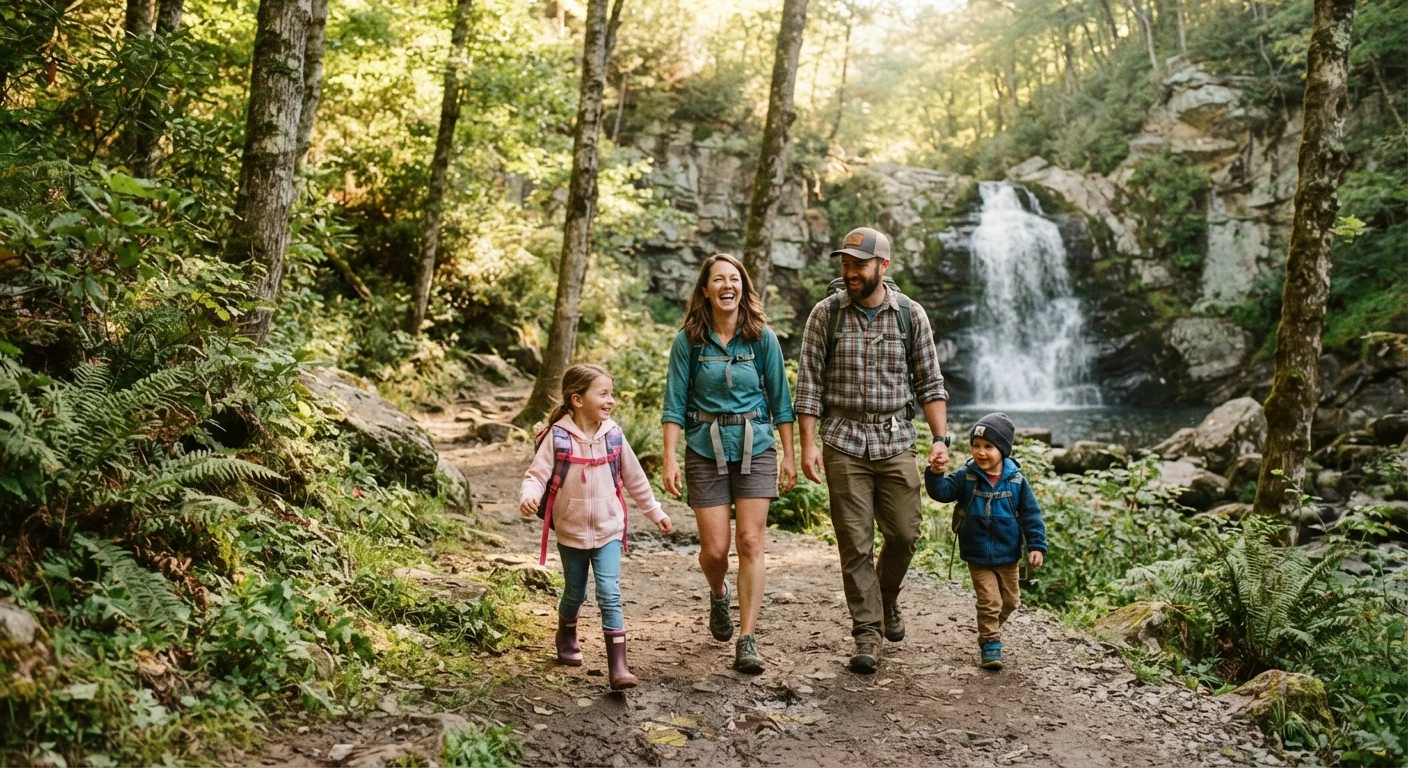
America's state park system includes more than 10,000 individual sites covering beaches, mountains, forests, and desert canyons. Day-use fees, where they exist, typically range from a few dollars to around $10-$15 per vehicle - a fraction of what a single amusement park ticket costs. Many states offer free or reduced entry on designated days, and annual passes often pay for themselves within two visits.
Beyond scenery, state parks frequently offer ranger-led programs, junior ranger activities, interpretive trails, and family-friendly campgrounds. For families doing a road trip, understanding the differences between state parks, national parks, and scenic byways can help you pick the right mix for your route and budget.
State park annual passes often pay for themselves after just two visits.
Free Museum Days and Cultural Institutions
Many of the country's finest science, natural history, art, and children's museums offer free admission on rotating days or evenings each month. Some receive federal or municipal funding that keeps admission permanently free. A little calendar research before your trip can unlock full days of hands-on learning at no cost.
Smithsonian Institution museums in Washington, D.C. are permanently free. Children's museums in mid-size cities frequently offer community-rate days. Some public libraries also issue museum passes that families can borrow. Check a destination city's official tourism or parks department website for a current schedule - these programs are widely available but rarely advertised loudly.
Many top science and children's museums offer free community days each month.
Local Festivals and Community Events
County fairs, harvest festivals, waterfront concerts, cultural celebrations, and art walks happen in nearly every region of the country, often with free or very low-cost admission. These events tend to capture something authentic about a place that ticketed attractions can't replicate - local food, regional music, and genuine community energy.
Searching a destination's city or county events calendar two to four weeks before arrival usually surfaces options families wouldn't find otherwise. Building a trip around a specific festival - a coastal seafood celebration, a fall foliage fair, a multicultural street festival - gives the whole trip a narrative that kids tend to remember.
Local festivals offer authentic regional experiences that ticketed attractions rarely match.
Public Beaches, Lakes, and Waterways
Coastal and inland water access is among the most family-friendly free resources in the country. National seashores, Army Corps of Engineer recreation areas, and state-managed lake beaches typically charge only a nominal vehicle or parking fee, if anything. A full day of swimming, sandcastle building, fishing, and picnicking costs essentially nothing once you've arrived.
Inland options - river access points, reservoir swimming areas, creek walks - are plentiful in nearly every state and often completely free. Families can pack a cooler, rent or bring their own gear, and spend an entire day without a single transaction. This is one of the activity categories covered in more depth in our piece on free and low-cost activities at America's most visited family destinations.
Public beaches and lake access points deliver full family days at minimal or no cost.
Historic Sites and National Monuments
The U.S. has hundreds of historic sites, battlefields, and national monuments managed by the National Park Service, many of which charge no admission or a modest fee covered by the America the Beautiful annual pass. These sites often include well-designed visitor centers, self-guided trails, and ranger programs - all built to engage visitors of different ages.
For families with school-age children, historic sites double as living classrooms. A visit to a Civil War battlefield, a colonial-era fort, or a Native American cultural site can contextualize history in ways that outlast any classroom lesson. The NPS also offers a free annual pass to fourth-grade students and their families through the Every Kid Outdoors program, making access even easier for qualifying families.
Fourth-grade students can access national parks and monuments free through the Every Kid Outdoors program.
Library and Community Center Programming
Public libraries and community recreation centers are chronically underused by traveling families. Many offer drop-in story hours, STEM workshops, summer reading programs, and cultural events that are open to all - not just local residents. Recreation centers often have pools, gyms, and playgrounds accessible for a small day-use fee.
When you know which city or town you'll be staying in, a quick look at the local library's events calendar can reveal genuinely enriching activities that cost nothing. This is especially useful on trip days when weather or fatigue makes outdoor activities impractical.
Local library programming is free, enriching, and open to visiting families in most communities.
Turning Low-Cost Activities Into a Real Trip
The activities listed above aren't just ways to kill an afternoon - each one can serve as the centerpiece of a multi-day trip. A national monument or state park with backcountry hiking anchors a weekend. A city with a free art museum district and a waterfront festival can anchor four days without a single paid attraction. The key is doing a little advance research: most state tourism offices, county parks departments, and public library systems publish free event calendars well ahead of the season.
Research Before You Arrive
Most destination cities publish free event calendars on their official parks, tourism, or recreation department websites. Spending 30 minutes on research before departure often uncovers festivals, free museum days, and community programming that significantly reduce on-the-ground costs. Set a calendar reminder to check about three to four weeks before your travel dates, when seasonal events are typically finalized.
If you're working with a specific dollar figure, our article on stretching a $1,500 family vacation budget walks through how to allocate across transportation, lodging, food, and activities. And if you want to compare how free outdoor destinations stack up against ticketed alternatives, our national parks vs. theme parks comparison lays it out side by side.
The bottom line: free and low-cost activities aren't a fallback - they're a legitimate trip-planning strategy that budget-conscious families can feel proud of choosing.