

Key Takeaways
Why Small Habits Add Up to Big Repair Bills
Most catastrophic car repairs don't begin with a single dramatic failure - they result from months or years of small, repeated habits that quietly wear down components. For budget-conscious families, those compounding repair costs can be especially painful because they often arrive without warning. Understanding which everyday behaviors are most damaging is the first step toward protecting your vehicle investment.
As our guide to the real cost of skipping routine maintenance explains, deferred care compounds quickly. But even drivers who keep up with scheduled services can unknowingly undo that work through poor driving habits. The mistakes below are among the most common - and the most avoidable.
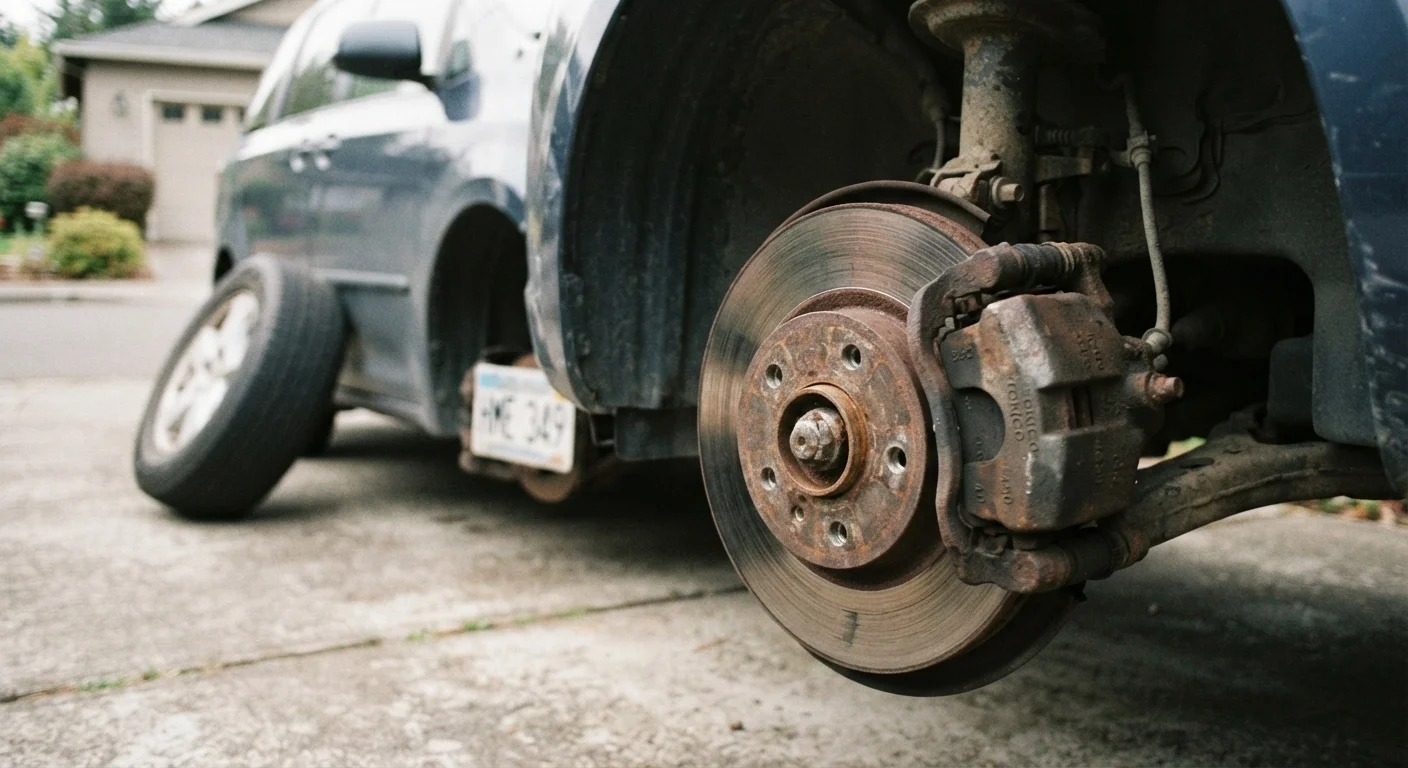
Riding the brakes on long downhill stretches instead of using engine braking.
Why it happens: Keeping a foot lightly on the brake pedal feels like a safe, controlled way to manage speed on steep grades. Most drivers aren't aware that sustained brake application generates extreme heat.
Consistently making only short trips of five miles or less as the primary driving pattern.
Why it happens: Short errands are a practical reality for families, and it's easy to assume that easy, low-speed driving is gentle on a car.
Resting a hand on the gear shift while driving an automatic or manual transmission.
Why it happens: It feels natural and relaxed, especially on highway drives. The habit is rarely mentioned in driver education.
Ignoring dashboard warning lights for days or weeks after they appear.
Why it happens: Warning lights sometimes illuminate for minor reasons, and drivers learn to dismiss them - especially the check-engine light, which can trigger for something as simple as a loose gas cap.
Running the fuel tank to near-empty as a routine habit.
Why it happens: Families often delay refueling to save a trip or stretch a budget, especially when gas prices are high.
Overinflating or underinflating tires and not checking pressure monthly.
Why it happens: Many drivers check tire pressure only when a tire looks visually low, which means pressure must drop significantly before it's noticed. Others inflate to the number printed on the tire sidewall rather than the vehicle-recommended pressure.
Habits Worth Monitoring Long-Term
Several of these mistakes share a common thread: they feel harmless in the moment because the consequences don't appear immediately. Brake fade, engine wear, and transmission damage accumulate gradually - the bill eventually arrives, but the cause has long since faded from memory.
~$1,200
Average unplanned car repair cost per incident
According to AAA research, the average American driver spends roughly $1,200 on unexpected vehicle repairs annually - costs that preventive habits can significantly reduce.
25%
Brake life lost to sustained downhill braking
Automotive engineers generally estimate that habitual brake riding on steep grades can reduce pad and rotor service life by as much as 25%, depending on grade and load.
Tire habits deserve particular attention. Both overinflation and underinflation stress tires differently, but both shorten tread life and affect handling. Checking tire pressure monthly - and always before long highway trips - takes about two minutes and can extend tire life meaningfully. Your vehicle's recommended pressure is on the sticker inside the driver's door jamb, not on the tire sidewall itself, which lists the maximum safe pressure.
For brake-specific concerns, our brake wear guide helps you distinguish normal wear from a genuine safety issue. And for families navigating challenging weather, adjusting driving habits by weather condition directly affects how hard your brakes and tires work every trip.
Don't DIY Brake or Transmission Repairs
While the habits above are easy to correct yourself, the resulting damage to brakes or transmissions should be assessed by a qualified mechanic. Brake system work in particular involves safety-critical components - incorrect repairs can compromise stopping ability. If you notice grinding, pulsing, or a soft brake pedal, have the system inspected promptly rather than attempting a repair without proper training and tools.
If any of these habits sound familiar, the good news is that awareness alone produces results. None of these corrections require mechanical skill - only a modest shift in how you drive and how often you check a few key systems. That kind of proactive attention is exactly what separates a vehicle that reaches 200,000 miles from one that becomes a financial burden at 90,000.
For a broader look at how automotive expenses can quietly erode a family budget, see our overview of unexpected costs that drain family savings.