

Reading the Damage: What the Clues Tell You
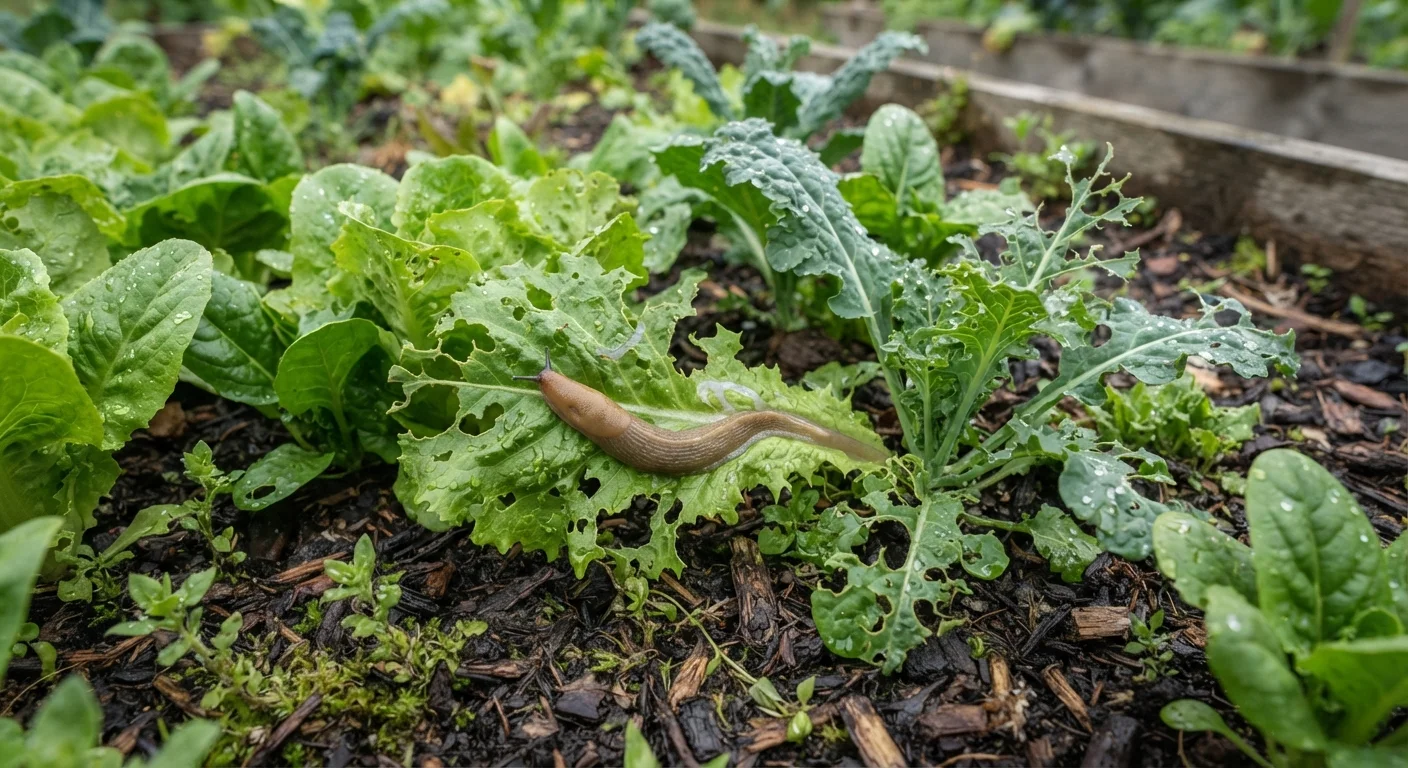
Before reaching for any treatment, the most useful thing you can do is slow down and look closely. Different pests leave distinctly different calling cards, and misidentifying the problem leads to wasted effort and money. Ragged, irregular holes in the middle of leaves often point to caterpillars or beetles. Clean, scalloped edges along leaf margins typically indicate a slugs or earwig problem. Yellowing, stippled leaves - where the color looks faded and dotted - are a classic sign of spider mites or aphids draining plant sap.
Wilting stems with no obvious leaf damage can mean something is attacking the roots or stem base. Cutworms, for example, sever young seedlings right at the soil line overnight, which is why entire transplants seem to vanish without a trace. If you notice tiny white trails winding through a leaf's surface, that's the signature of leaf miners - larvae tunneling inside the leaf itself.
Timing and location of damage also matter. Damage that appears overnight and worsens after rain usually points to slugs or snails. Damage concentrated at shoot tips and tender new growth is more consistent with aphid colonies. Taking a photo and examining the underside of affected leaves will confirm most identifications quickly. See our guide on common plant problems to rule out watering stress before assuming pests are always the cause.
The Most Common Culprits (and How to Respond)
Once you know what you're dealing with, a targeted response is far more effective - and gentler on beneficial insects - than a broad pesticide application.
Aphids
These tiny, soft-bodied insects cluster on new growth and excrete a sticky substance called honeydew that can attract ants and promote sooty mold. A strong blast of water from a hose dislodges most colonies. Repeated daily for a few days, this alone can bring populations down significantly. Introducing or encouraging natural predators like ladybugs and lacewings is a longer-term strategy worth supporting.
Slugs and Snails
Most active at night and after rain, slugs thrive in moist, mulch-heavy beds. Reducing excess moisture and clearing debris around plant bases removes their habitat. Copper tape around container rims deters them. Hand-picking at night with a flashlight is tedious but highly effective for small plots. See our mulching guidance for how mulch depth can either help or invite slug problems.
Caterpillars and Cabbage Worms
Row covers placed over brassicas (cabbage, broccoli, kale) at planting time are the most reliable prevention. For active infestations, Bt - a naturally occurring soil bacterium - is widely used in organic gardening and targets caterpillars specifically without harming pollinators when applied correctly. Always follow label directions.
Cutworms
Place a simple physical collar - a cardboard tube, a cut plastic bottle - around transplant stems, pushed an inch into the soil. This barrier prevents the larvae from reaching the stem and is entirely free to make from household recycling.
Spider Mites
These are worst in hot, dry conditions. Keeping plants adequately watered (without overwatering) reduces stress that makes plants more vulnerable. Overhead misting - done in the morning so leaves dry - disrupts mite colonies. If you're growing vegetables in containers, container-specific care tips can help you manage conditions that mites prefer.
Integrated Pest Management (IPM)
A strategy that uses the least harmful control methods first - physical removal, barriers, biological controls - before considering chemical treatments. It aims to manage, not eliminate, pest populations while protecting beneficial insects.
Honeydew
A sticky liquid excreted by sap-sucking insects like aphids and whiteflies. Its presence on leaves is often a sign of infestation and can lead to a secondary fungal growth called sooty mold.
Bacillus thuringiensis (Bt)
A naturally occurring soil bacterium used in organic gardening as a targeted pest control. It produces proteins that are toxic to specific insects - primarily caterpillars - but generally safe for pollinators, birds, and mammals.
Crop Rotation
The practice of planting different plant families in the same garden bed across successive seasons. It disrupts the life cycles of soil-dwelling pests and diseases that depend on a specific host plant.
Leaf Miner
The larva of various insects - including flies, moths, and beetles - that feed inside a leaf's tissue, leaving winding pale trails or blotches visible on the leaf surface.
Row Cover
A lightweight fabric draped over garden beds to physically exclude insects while still allowing light and some airflow. Commonly used to protect brassicas from cabbage moths and white butterflies.
Keeping Pests Under Control Without Breaking the Budget
The most cost-effective pest management is prevention built into how you garden. Healthy soil grows vigorous plants that resist pest damage better than stressed ones. Rotating crops - moving tomatoes, brassicas, and squash to different beds each season - breaks pest life cycles that depend on returning to the same host plants year after year.
Companion planting can also reduce pest pressure. Interplanting strongly scented herbs like basil or dill among vegetables may confuse or deter some insects, though results vary and this works best as one part of a broader approach rather than a standalone fix.
If you're starting from scratch, a pest-aware garden plan pays off early. Our vegetable garden on a tight budget guide covers how to set up beds in ways that reduce both pest and disease problems from the beginning.
When intervention is necessary, start with the least disruptive option: physical removal, water sprays, or barriers. Move to more targeted treatments - like Bt for caterpillars - only when physical methods aren't controlling the problem. Reserve broad-spectrum treatments as a last resort, since they often harm the beneficial insects that would otherwise be helping manage pest populations naturally.
Keeping notes on what you observe each season - which pests appeared, when, and on what plants - turns into a genuinely useful reference that makes next year's garden easier to manage.