

Key Takeaways
Why Water-Smart Landscaping Matters for Families
Outdoor water use accounts for roughly 30% of a typical household's total water consumption, and in drier regions that figure climbs even higher. For budget-conscious families, that translates directly into elevated utility bills each summer - sometimes hundreds of dollars - without necessarily producing a more attractive yard.
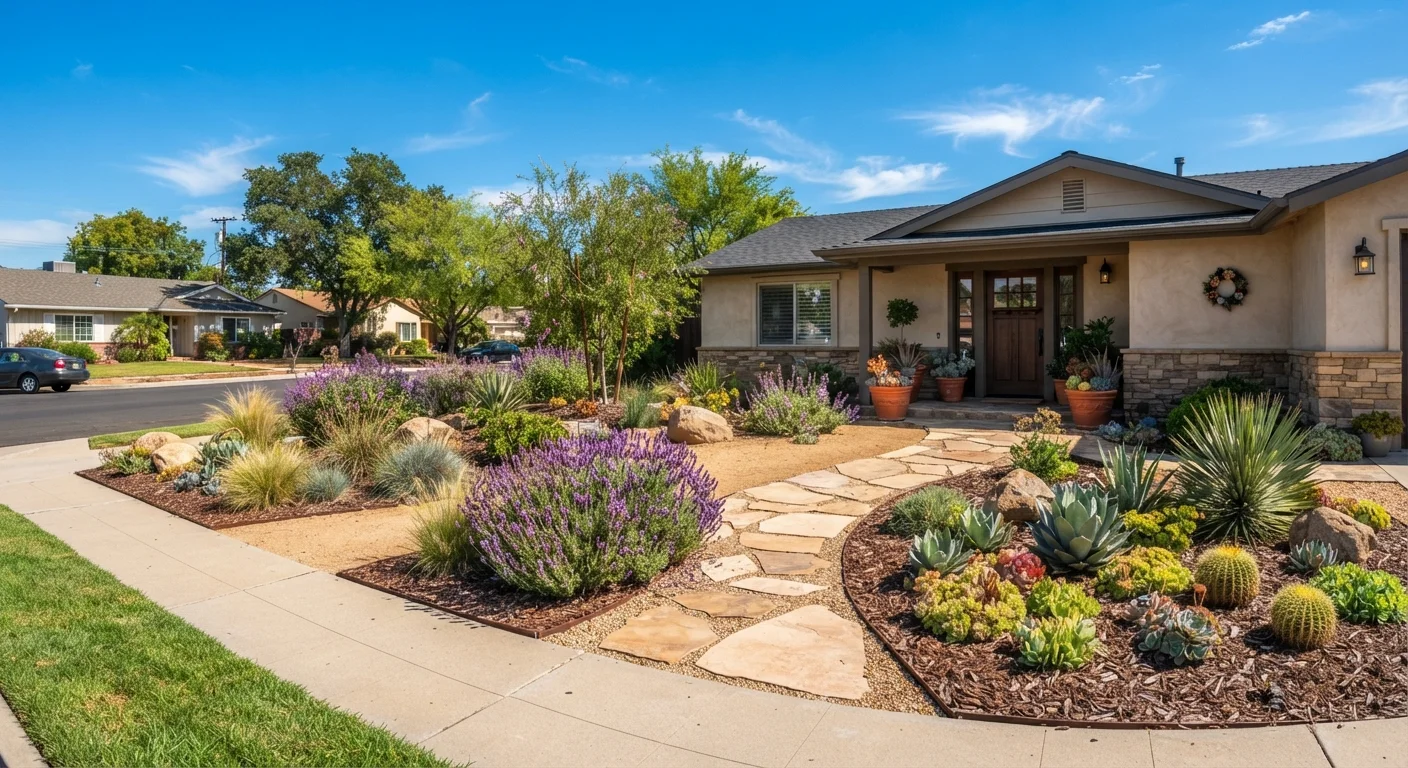
Drought-tolerant landscaping isn't about letting your yard go bare or brown. It's a design philosophy that matches your plant selection and garden layout to your local climate, soil, and rainfall patterns. Done well, a water-smart yard can reduce outdoor water use significantly while still providing a welcoming, functional outdoor space for your family. Whether you're starting from scratch or gradually reworking an existing yard, the principles below will help you make sound, lasting decisions. See our season-by-season garden planning roadmap for help structuring your overall outdoor project timeline.
Core Principles for a Drought-Tolerant Yard
These practices work together as a system. Applying even a few of them consistently will produce noticeable results in water savings and plant health.
Select plants native or well-adapted to your local climate
Native plants evolved alongside your region's natural rainfall cycles, soil types, and temperature swings. Once established, they typically need little to no supplemental watering beyond normal rainfall. This reduces both labor and water costs over the long term.
Apply a 2-3 inch layer of organic mulch over all planting beds
Mulch dramatically slows surface evaporation, moderates soil temperature, and suppresses weeds that compete with your plants for water. Studies from university extension programs consistently show mulched beds retain moisture far longer than bare soil.
Group plants by water requirements (a practice called hydrozoning)
When plants with similar water needs grow together, you can water each zone precisely - giving thirsty vegetables what they need without drenching drought-tolerant shrubs nearby. This avoids the waste that comes from treating the entire yard as a single irrigation zone.
Water deeply and infrequently rather than lightly and often
Shallow, frequent watering keeps moisture near the surface, which encourages roots to stay shallow and increases the plants' vulnerability to drought. Deep watering pushes moisture lower in the soil profile, prompting roots to follow - making plants more self-sufficient over time.
Reduce or replace traditional lawn areas with low-water alternatives
Conventional grass - particularly cool-season varieties - is one of the most water-intensive elements in a residential landscape. Even partial lawn replacement with groundcovers, gravel, or native plantings significantly reduces overall yard water demand.
Improve soil structure to increase water retention and drainage
Sandy soils drain too fast to hold moisture for plant roots; compacted clay soils shed water before it can penetrate. Amending soil with compost improves both extremes - helping sandy soils hold more water and loosening compacted clay so roots and water can both move through it freely.
Quick Actions You Can Take This Weekend
You don't need to redesign your entire yard at once. Even small, targeted changes can meaningfully cut water use and improve plant health. Start with the highest-impact steps below and build from there.
For families working with raised beds or constrained spaces, understanding your soil structure is equally important. Our guide on raised beds vs. in-ground planting explores how each approach affects drainage and moisture retention - both critical factors in drought-tolerant design.
Rethinking Lawn and Hardscape
Traditional grass lawns are among the thirstiest elements in any residential yard. Replacing even a portion of lawn with low-water groundcovers, native plantings, gravel, or permeable pavers can yield substantial water savings over a season.
“The single most effective thing most homeowners can do to reduce outdoor water use is to shrink their lawn. Turf grass requires more water per square foot than almost any other landscape element, and replacing even a fraction of it with native plantings creates immediate, lasting savings.”
— General guidance from cooperative extension horticulture programs, University cooperative extension services across the U.S.
When adding hardscape elements like gravel paths or decomposed granite areas, choose permeable materials where possible. Permeable surfaces allow rainwater to soak into the ground rather than run off, which helps recharge your soil and reduces the need for supplemental irrigation. This is especially relevant for general home maintenance planning, where managing water flow around your property protects both your garden and your home's foundation.
Container gardeners facing space constraints have an additional consideration: pots dry out faster than in-ground beds. If containers are part of your setup, grouping them in shadier spots and using larger containers with moisture-retaining potting mix can offset this. Our container gardening guide covers plant and mix selection in more detail.
This article provides general landscaping information for educational purposes. Water use regulations, local plant recommendations, and soil conditions vary by region - consult your local cooperative extension service or a certified landscape professional for guidance specific to your area.