

Key Takeaways
Perennials vs. Annuals
Annuals are plants that complete their full life cycle - sprouting, flowering, setting seed, and dying - within a single growing season. Perennials, by contrast, survive winter dormancy and return to grow again each spring for multiple years. The distinction affects how much you spend, how often you replant, and how your garden looks from year to year.
Plant hardiness zones (USDA system) determine whether a given perennial can survive winter in your region. A plant labeled 'perennial' in Florida may behave as an annual in Minnesota.
The Core Difference: One Season or Many
When you walk through a garden center, almost every plant tag lists the word "annual" or "perennial" - but these labels carry real consequences for your time and wallet. Understanding what they mean is the single most useful thing a first-time gardener can learn before spending a dollar on plants.
Annuals complete their entire life cycle in one growing season. They germinate, grow, flower prolifically, produce seed, and die - all within a few months. Common examples include marigolds, zinnias, petunias, and impatiens. Because they're racing against the calendar, annuals tend to bloom heavily and continuously, giving gardens vivid, long-lasting color. The tradeoff: you buy and plant them again every spring.
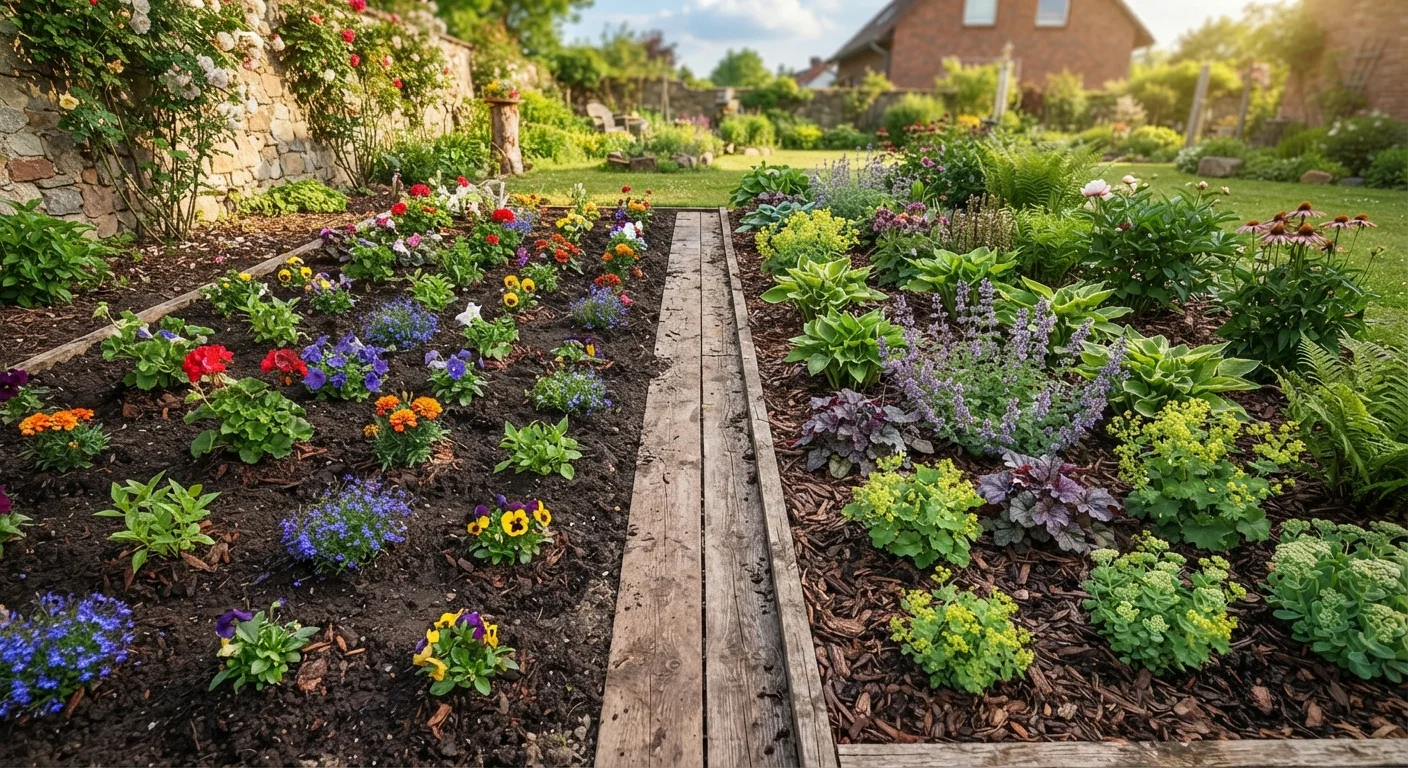
Perennials take a different strategy. They flower, then die back to the ground in fall, and their root systems survive winter dormancy. Come spring, they regrow from those established roots. Coneflowers, hostas, daylilies, and black-eyed Susans are popular perennial examples. In the first year, perennials often put more energy into root development than showy blooms - but they reward patience with stronger growth each subsequent season.
Before choosing either type, it helps to know your how to read plant labels, since hardiness zone information directly affects whether a perennial will survive your winters.
Cost and Effort Over Time
For budget-conscious families, the financial angle matters as much as the gardening angle. Annuals carry a lower per-plant sticker price but come with a built-in recurring cost - you start from scratch every year. Perennials cost more upfront but gradually become the economical option as they spread, divide, and fill space without additional purchases.
3-5 years
Typical payback period for perennial plants vs. annuals
Garden educators commonly note that perennials begin to outperform annuals on cost per season after several growing seasons, especially as plants mature and spread.
$3-$15
Typical per-plant cost range at US garden centers
Annual six-packs often cost $3-$8 total, while individual perennial transplants commonly range from $5-$15, reflecting their multi-year value.
2-6 weeks
Average bloom window for most perennial varieties
Unlike annuals that flower for months, most perennials bloom in a defined seasonal window - a key reason gardeners mix varieties to extend overall garden color.
A practical approach many experienced gardeners use: invest in perennials for the backbone of a bed - plants that define structure and reliably return - then fill gaps with inexpensive annuals for continuous color. This hybrid strategy keeps costs manageable while giving you the best of both types.
It's also worth factoring in labor. Replanting annuals each spring takes time and energy. Perennials, once established, mainly need dividing every few years (which actually gives you more free plants) and some seasonal cleanup. Our fall garden cleanup checklist covers exactly what perennials need before winter to come back strong.
Choosing the Right Mix for a Family Garden
Few gardens work best as 100% annuals or 100% perennials. Most successful family gardens blend both. Here's a simple framework for deciding the ratio:
- High-visibility spots (front walkway, entry beds): Annuals shine here because they bloom continuously and let you change the look each year.
- Low-maintenance zones (back borders, side yards): Perennials are ideal - plant once, maintain lightly, enjoy for years.
- Children's garden areas: Fast-growing annuals like sunflowers and zinnias are rewarding for kids who want quick results.
- Pollinator patches: A mix of both supports bees and butterflies across a longer season.
Divide Perennials to Multiply for Free
Most clumping perennials - including hostas, daylilies, and ornamental grasses - can be divided every three to four years by digging up the root clump and splitting it with a spade. Each division becomes a new plant. This is one of the most effective ways to expand your garden without spending more money.
If you're working with limited space or unconventional setups, the same annual-vs-perennial thinking applies to container gardening. Many perennials adapt well to pots, though winter protection becomes more important.
For families thinking about garden layout more broadly, raised beds vs. in-ground planting is another key decision that interacts with plant type - perennials often perform exceptionally well in raised beds where soil conditions can be carefully controlled.
Starting a garden from the ground up? The season-by-season garden planning guide walks through layout and plant selection in detail, and is a natural next step once you understand this annual-vs-perennial distinction.