
Key Takeaways
Return on Investment (ROI)
Return on investment, or ROI, measures how much value you get back relative to what you spend. In home improvement, it typically refers to the percentage of a project's cost that you recover when you sell your home. For example, if you spend $5,000 on a project and it adds $3,500 to your home's resale value, your ROI is 70%.
ROI calculations for home projects are estimates, not guarantees. Actual resale value depends on local market conditions, buyer preferences, and the quality of the work performed.
Why ROI Is More Nuanced Than a Simple Percentage
When people talk about home improvement ROI, they usually mean one thing: how much of your project cost comes back to you when the house sells. But that framing misses something important - your return isn't only financial.
Think of ROI in two layers. The first is resale ROI: the dollars recovered at closing. The second is use value: the quality-of-life benefit you enjoy while living in the home. A new bathroom may recoup 60-70% of its cost at resale, but if your family uses it daily for ten years, that experience is part of the return too.
This distinction matters because it changes how you prioritize projects. If you're selling in six months, focus tightly on resale ROI. If you're staying for a decade, weight both layers equally. See our guide to planning home improvements on a budget for help sequencing projects around your timeline and finances.
~70%
Average ROI for mid-range bathroom remodels
Industry cost-vs-value analyses have historically shown mid-range bathroom remodels recovering roughly 60-70% of project cost at resale, though this varies significantly by region.
30-50%
Portion of project cost that is typically labor
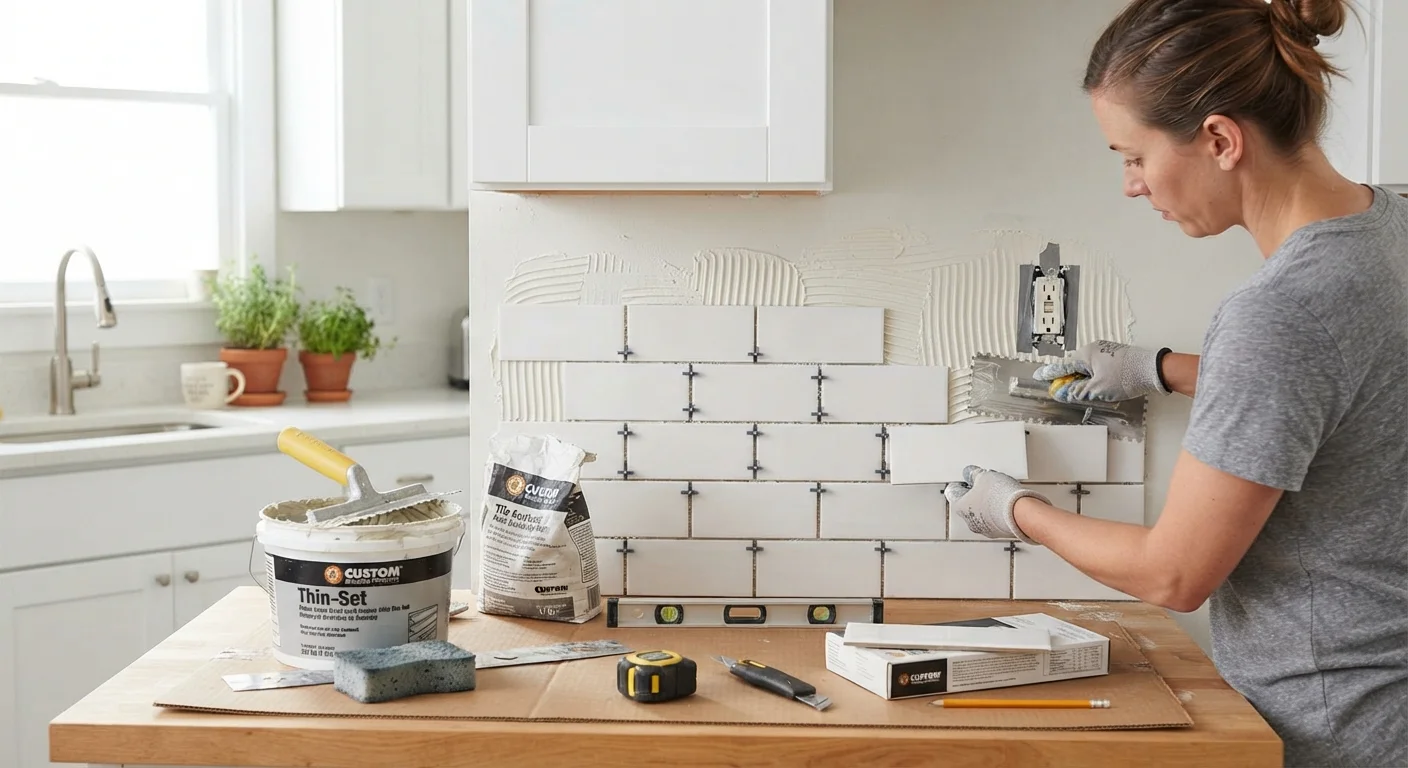
For most hired-out home improvement projects, labor accounts for 30-50% of total cost, meaning DIY work can substantially improve your effective ROI.
#1
Garage door replacement rank for cost recovery
Remodeling Magazine's annual Cost vs. Value Report has repeatedly ranked garage door replacement among the top projects for percentage of cost recouped at resale.
Which Projects Tend to Return the Most
Not all upgrades are created equal. Remodeling industry surveys consistently show that mid-range projects outperform luxury renovations in percentage terms. A modest kitchen update - new hardware, fresh paint, replaced fixtures - often recoups more of its cost than a full gut renovation that doubles the project price.
Projects with a track record of relatively strong resale returns include:
- Exterior improvements - fresh paint, a new front door, or tidy landscaping. Curb appeal shapes first impressions and is often inexpensive relative to the impact.
- Garage door replacement - one of the highest-returning single projects according to multiple industry cost-vs-value analyses.
- Minor kitchen refreshes - cabinet repainting, updated hardware, and new fixtures rather than a full remodel.
- Bathroom updates - targeted improvements like re-grouting tile, replacing a vanity, or installing a new light fixture. Our bathroom refresh guide walks through how to sequence these by impact and cost.
- Flooring upgrades - replacing worn carpet or damaged flooring has a visible effect on perceived home quality. If you're weighing options, laminate versus hardwood flooring involves meaningful resale and durability trade-offs worth understanding.
Start With What Buyers Notice First
Before planning any interior renovation, walk your home from the street as a buyer would. Is the exterior clean and inviting? Does the entryway feel welcoming? Are there obvious maintenance issues visible from the curb? Addressing these high-visibility areas first tends to offer a stronger return than beginning with less-seen spaces like basements or utility rooms.
How Local Markets Shape Your Return
National averages are a starting point, not a guarantee. A granite countertop upgrade in a high-value neighborhood might delight buyers; the same upgrade in a starter-home market may exceed what buyers expect to pay for that area - and you won't recoup the premium.
Real estate professionals call this over-improving for the neighborhood. The ceiling on your home's value is partially set by the comparable homes around it. If neighboring homes sell for $250,000, spending $40,000 on a kitchen remodel is unlikely to push your sale price significantly above that ceiling.
Before committing to a major project, research recent sale prices of comparable homes in your area and note what features they included. This context is more reliable than national cost-vs-value benchmarks alone.
Simple Ways to Maximize Your ROI Without Overspending
The single most effective lever you have is reducing project cost without reducing quality. DIY labor is the clearest example - painting a room yourself rather than hiring out can cut that project's cost substantially, directly improving what percentage you'd recover. Weekend projects that improve how a space feels - like strategic lighting changes or furniture rearrangement - can add perceived value at minimal cost. Our weekend projects that make rooms feel bigger covers exactly this kind of high-impact, low-cost improvement.
A few principles that consistently support stronger ROI:
- Fix before you finish. Address maintenance issues - leaky faucets, cracked caulk, peeling paint - before cosmetic upgrades. Buyers and inspectors notice deferred maintenance, and it reduces confidence in the home.
- Match the neighborhood. Aim for upgrades that bring your home up to, not far beyond, local standards.
- Prioritize high-visibility areas. Kitchens, bathrooms, and entryways get the most buyer attention per square foot.
- Get multiple quotes. For projects you do hire out, comparing estimates can reveal significant price variation for identical work.
This article provides general educational information about home improvement concepts and is not a substitute for personalized advice from a licensed real estate or financial professional. Project costs and returns vary widely by location, condition, and market.